Table Of Content
Instead, the complaint charges, consumers enter an arduous journey through pages of advertisements and sales pitches before they can actually enter the sweepstakes. The advertisements allegedly use tricky wording that conflates ordering and entering to lead consumers to believe they must make a purchase to enter, or that purchasing will increase their chances of winning a sweepstakes, neither of which is true. Last week the article “No One Buys Books,” by Elle Griffin, went viral, topping Substack categories and being shared widely on social media. Over 90 percent of books sell fewer than 1,000 copies; 50 percent of books sell fewer than 12 copies. The article paints a nearly apocalyptic portrait of traditional publishing, in which nothing works, few make money, nobody reads, and the whole industry might go poof at any moment. This vision is appealing to many people, including writers who (fairly or unfairly) feel stymied by the industry, popularists who think reading itself is a snobby hobby, and tech types who mock “paywalled dead trees.” The only problem is, the picture isn’t true.
Get consumer protection basics, plain and simple
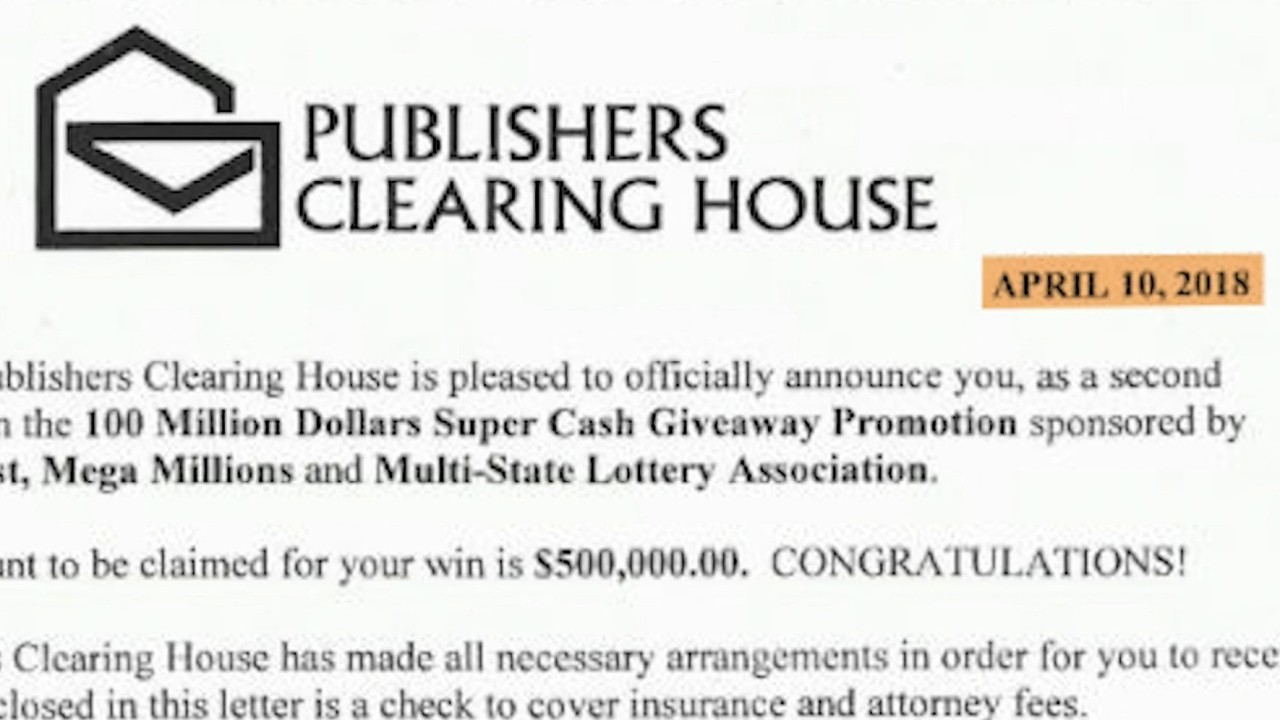
The FTC lawsuit is not the first time Publishers Clearing House has dealt with litigation regarding their business practices. In 2000, a $30 million settlement was approved for a class-action lawsuit that claimed the company misled customers into buying magazines—purchases made with the belief it would increase their chances of winning a sweepstakes. The federal judge who approved the settlement said as much as $21 million would be paid in claims and that claimants would get full refunds of what they paid to the company. Publishers Clearing House also paid $18 million in a settlement from the same year that also alleged customers were misled into thinking their purchases of merchandise would increase their chances of winning a sweepstakes. In 2018, similar allegations were filed against the company in a class-action lawsuit that also claimed that Publishers Clearing House was selling consumers’ personal information. However, in a complaint against PCH, the FTC said the company uses “dark patterns” to mislead consumers about how to enter the company’s well-known sweepstakes drawings and made them believe a purchase is necessary to win or would increase their chances of winning.
More from CBS News
This seems like a fair look at the relationship between advances and big publishers’ expectations. Obviously, many books will fail to hit their targets, though typically not by 4,988 copies. On the other end, anything selling more than 75,000 is a rare hit. If you’re on a big publisher, you are likely to sell a few thousand copies. If you’re exceptionally lucky, hundreds of thousands or millions.
Recent Consumer Alerts
And that number would be completely different from the average sale of books, including the millions of self-published books. Whether or not this “1 billion books” number is big, it’s fairly stable. Print book sales have not been decimated by digital sales/streaming in the way of so many other industries. Publishing is an industry with plenty of problems—believe me, I know—but there’s no reason to think it’s on its deathbed. “While PCH profits handsomely from the use of its customers’ names, likenesses, and other personal identifying attributes in this way, it does so at the expense of its customers’ statutory rights of publicity,” the class action lawsuit’s each state. Consumers interested in entering sweepstakes contests are led to believe "they must order products before they can enter a sweepstake" or that "ordering products increases their odds of winning a sweepstake," the complaint said.
Ten Years Ago, His Book about Civilizational Collapse Got Unexpectedly Popular. He’s Back With a Little Bit of Hope.
Mercer man reports losing $57K from Publishers Clearing House scam - WFMJ
Mercer man reports losing $57K from Publishers Clearing House scam.
Posted: Sun, 25 Jun 2023 07:00:00 GMT [source]
In addition to sweepstakes, PCH also sells merchandise and magazines. The FTC alleged the company charged hidden fees that averaged more than 40% of the product costs, and misled customers with deceptive language in email subject lines and statements in its privacy policy. McIntosh said 300,000 copies “in a year” rather than in lifetime sales, so we are talking calendar-year sales, not lifetime sales. (See above.) A book that sold “only” 300,000 in one year is going to sell many more copies in other years.
Publishers Clearing House agrees to pay $18.5M to settle FTC lawsuit
Learn more about consumer topics at consumer.ftc.gov, or report fraud, scams, and bad business practices at ReportFraud.ftc.gov. Follow the FTC on social media, read consumer alerts and the business blog, and sign up to get the latest FTC news and alerts. As a result of a Federal Trade Commission lawsuit, Publishers Clearing House (PCH) has agreed to a proposed court order that will require it to pay $18.5 million to consumers who spent money and wasted their time, and make substantial changes to how it conducts business online.
Media Contacts
Each individual state—or territory, in Puerto Rico’s case—has a right of publicity statute that prohibits the practice of selling or renting mailing lists containing personal identifying transaction data, according to the class action lawsuits. Instead, the complaint charges, consumers go through pages of advertisements and pitches with tricky wording leading customers to believe they must make a purchase to enter, or that purchasing will increase their chances of winning, neither of which is true. Once consumers enter their email addresses they continue to receive alerts from the company saying that they must take another step to be eligible for sweepstakes prizes, the complaint said. In addition to these misleading practices, Publishers Clearing House hid shipping and handling costs from consumers until there was a financial obligation. While the company also maintained they didn't sell or rent consumer data, the FTC alleges they did as such until around January 2019, when Publishers Clearing House learned they were being investigated, according to court documents.
Publishers Clearing House, LLC (PCH), FTC v.
Publishing is still chugging along, not just in the Big 5 publishers—which account for most of these stats—but also in indie and small presses, where much of the best writing is published. If you want to keep the books coming, well, keep buying them and/or checking them out at your local library. According to [consultant Nicholas] Hill, 85 percent of the books with advances of $250,000 and up never earn out their advance.

At least 2,000 people arrested at pro-Palestinian …
The NYT bestseller list often includes award winners, and so-called literary fiction titles like The Goldfinch and All the Light We Cannot See can sell in the millions. And many authors earn a living—or, if not a living, then a significant chunk of a living—from their books without ever becoming as famous as Stephen King or Danielle Steel. What I can say is that no book you’re likely to have heard of is selling only 12 copies or anything near that.

But I imagine few are shocked that books in 2024 do not occupy the place in the culture they did 100 years ago, before video games, cellphones, social media, streaming TV, and the like dominated our time. The company is accused of being paid to sell detailed information of purchases and prices. The lead plaintiff, James Camoras, says the company sold information about his purchase of a tripod and book to data aggregators, data appenders, data cooperatives, and list brokers, political organizations and non-profit companies and then he was inundated with junk mail.
As a result of the lawsuit, PCH has agreed to a court order requiring the company to make substantial changes to how it conducts business, and requiring the company to pay $18.5 million to consumers who spent money and wasted their time. The PCH complaint stands as yet another reminder of the importance of ensuring that your company’s privacy policy disclosures regarding the use of consumer data are consistent with your actual practices. In this case, the FTC alleged that PCH’s assertion that it did not “rent, license, or sell” consumer personal information was inconsistent with its actual practice of sharing consumer information with third parties for targeted advertising purposes. Before publishing privacy policies, companies should carefully vet the accuracy of their data use disclosures, as privacy policy misrepresentations have been a mainstay of recent FTC enforcement actions. The FTC says that Publishers Clearing House used language and designs on its website and in its email marketing that tricked consumers, including many older adults, into believing they had to buy things on the PCH website to enter a sweepstakes.
“Remember, the FTC never asks you to pay or share personal information to receive a refund. Don’t pay anyone who contacts you and promises you a refund but asks you to pay a fee or attempts to obtain your personal information,” the FTC website states. For more information on what PHC has agreed to fix, you can visit FTC’s website.


No comments:
Post a Comment